"With two thousand rupees saved, I asked Miyan Huzoor to lay the first brick of my house, and was told it would be built as far as need reached. Work never stopped for a single day until the house was finished."
☾Every ThursdayHalqa Sharif after Isha at the khanqah, followed by fatiha and shirini.
✦Next fatiha in the silsila14 Jumada-us-Sani: Hazrat Shah Dargahi Miyan of Rampur — around 24 November 2026.
۩Urs Sharif of Miyan Huzoor28 Ramadan — around 7 March 2027. Programme announced by the Darbar.
Who was Miyan Huzoor?Seenīhāyat · Life
Miyan Huzoor رحمۃ اللہ علیہ was born in Rajab 1330 AH (1912 CE) in Bareilly Sharif, the only child of Jan Muhammad of Mihaila Bori. He lost his mother at four, took his early religious education from Haji Hafiz Niyaz Babah, and spent his days in the Chand Masjid. He earned his living at a timber yard — and fed the poor from what he earned.
For more than four decades murids came to him from Bareilly, Oudh and beyond. He performed ten Hajj and fifty Umrah, gave his general permission for the daily waza'if in writing from Dubai in 1988, and his khānqāh still gathers for zikr every Thursday.
If Allah chooses a friend, He draws him near — in lineage, in service, or in obscurity. Seerat-e-Wali begins where that choosing began.Seerat-e-Wali · opening chapters
In the words of those who were thereKashf-o-karamāt · ~90 first-hand accounts
The book records about ninety accounts — bricklayers, professors, police officers — each one dated, named, and unembellished.
"I first came with my friend Dilip Tankha on the day a gathering was announced. I could not yet understand Miyan Huzoor — but I found it plain that he was cheering me back."
"Years of duty had left complaints over an accident case; I was told all would be well. A medico-legal report expected to take two years came back quickly — and I was given charge of a police station in Rudauli."
The silsilaShajara-ye-Aaliya · four chains
Four chains of masters as recorded in Seerat-e-Wali, each reaching back to the Prophet ﷺ and forward to Miyan Huzoor and the Sajjada Nasheen of the Darbar. The date beside each name is the day of passing, remembered every year with fatiha.
| No. | Name | Passed away | Resting place |
|---|
Daily waza'ifWazā'if · general permission, 21 March 1988
Recited after each prayer, with Miyan Huzoor's general permission of 21 March 1988. Choose a prayer below and tap the disc as you recite.
After Fajr · 111 times
يَا مَنْ هُوَ، وَمَا لَيْسَ لَهُ إِلَّا هُوَ
Yā man Huwa, wa mā laysa lahū illā Hu
0of 111
✦ Makbul — fatiha ✦
Tap the circle after each recitation. Your count stays on this device.
Letters & poetryMajmūʿa khutūt · Aqīdat ke phūl
pp. 230–259
Collected letters · مجموعہ خطوط
Advice to his murids, 1979–1990 — written from Bareilly and from Dubai: on prayer, on honesty in trade, on keeping ties of kinship, on never despising any servant of Allah.
pp. 10–11 · 19–29 · 260–286
Aqeedat ke phool · عقیدت کے پھول
Hamd, naat and munajat — flowers of devotion in the same hand that wrote the letters. Read one a night, as the book intends.
مدينہ سے لايا ہوں مٹي كے داناں کو
جيسے گنجِ عظيم سے چنا ہوں دانے کو
A verse in the manner of Ahmad Raza Khan رضی اللہ عنہ — kept at the Darbar in gold script above the guest hall.
Masih-al-Quli · quoted in the Darbar's tradition
Read Seerat-e-WaliKitab · 287 pages · read-only
سیرت ولی کامل
Seerat-e-Wālī
Compiled by Hazrat Shah Anwar bin Noor Muhammad
﴾ ﴿
The complete book opens here, page by page — read on screen, never downloaded.
The reader activates automatically once the publisher uploads seerat-e-wali.pdf.
Until then: the Halqa Sharif every Thursday after Isha remains open to all.
Visit the DarbarDarbar-e-Mohammadi · Bareilly Sharif
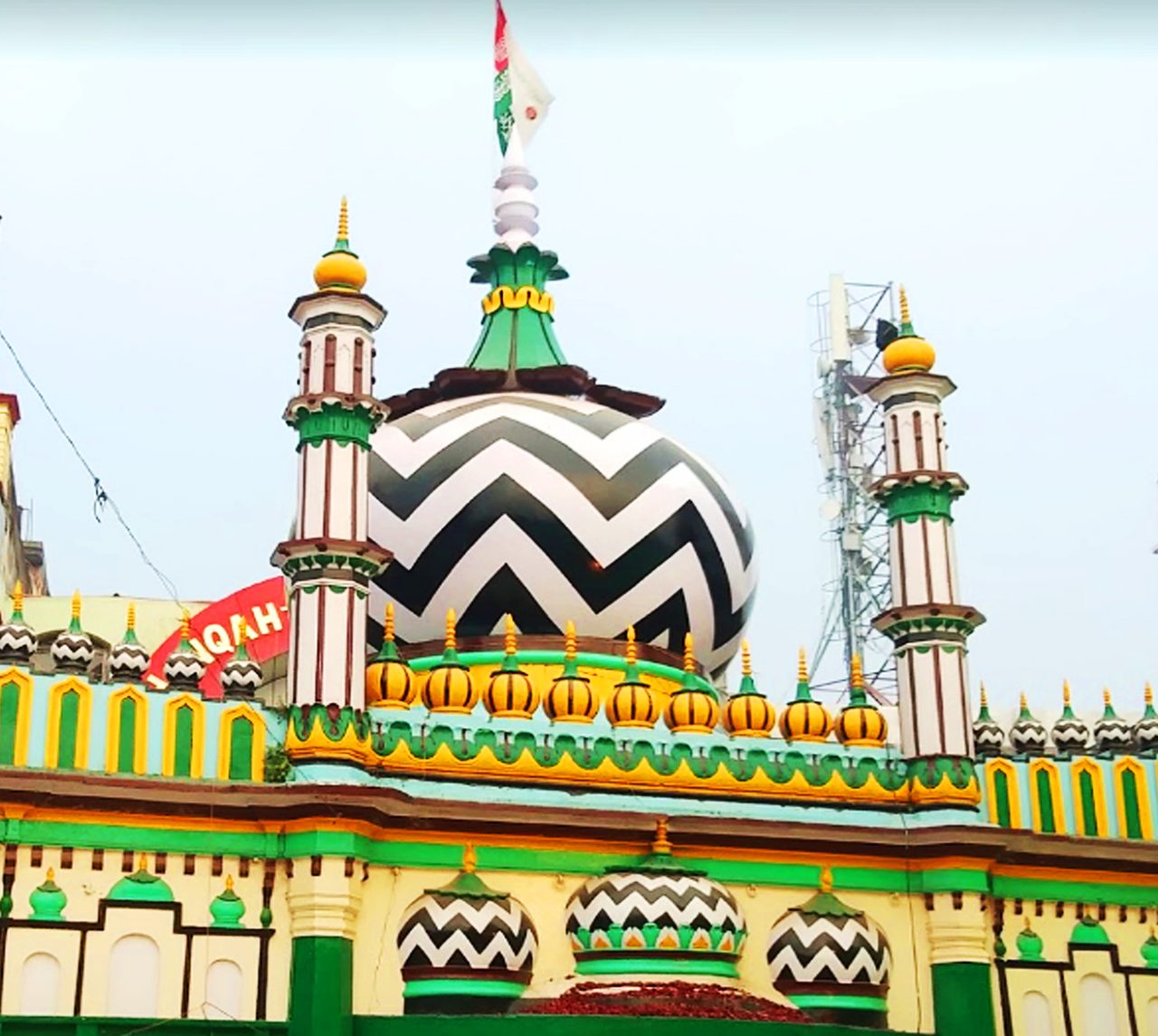
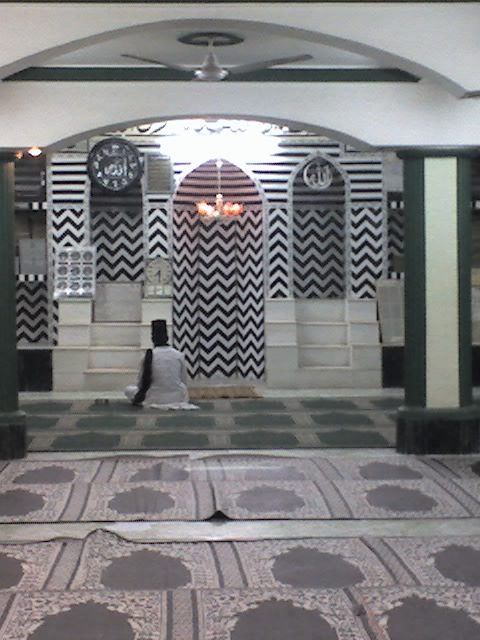
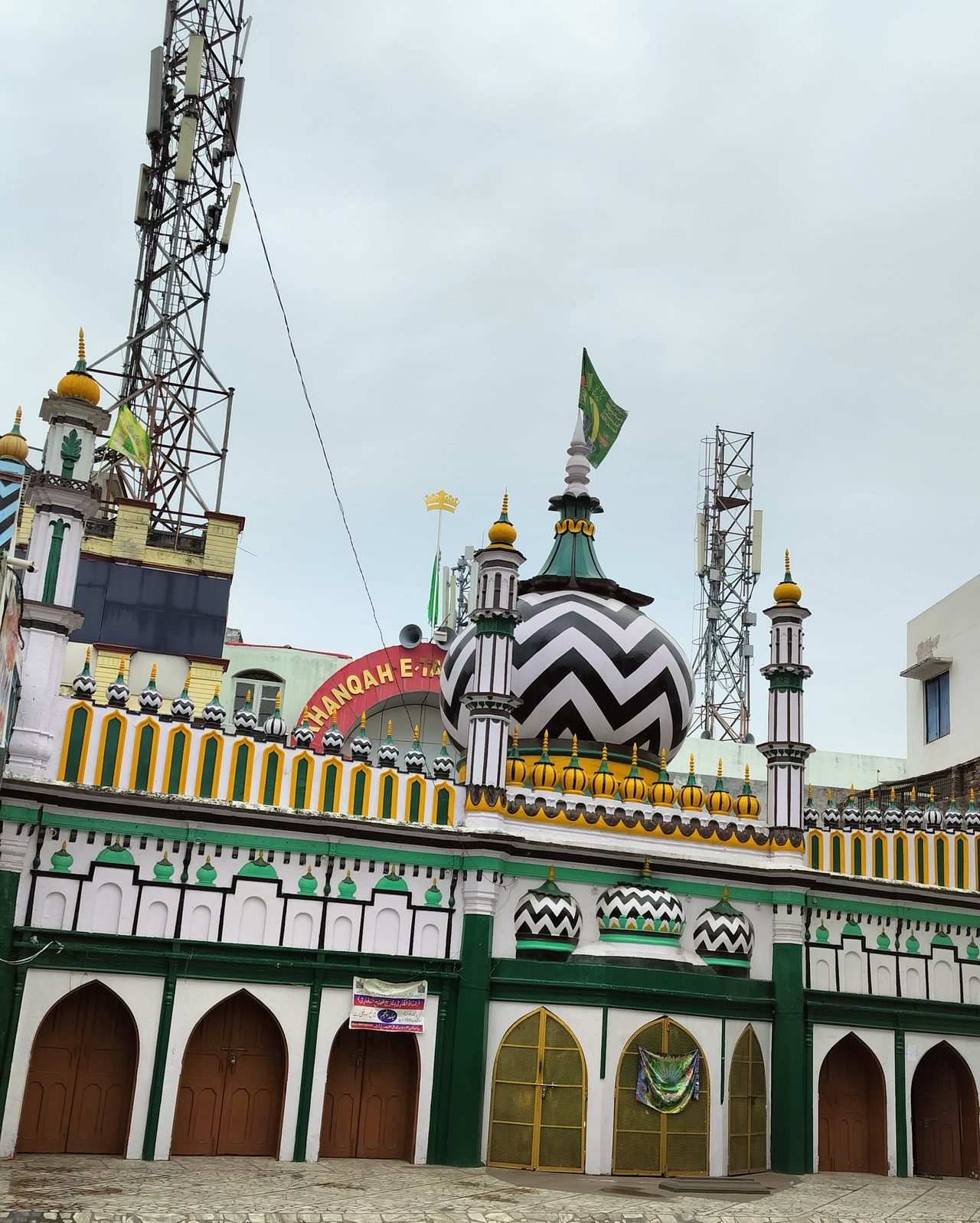
Darbar-e-Mohammadi — Mazar-e-Wali Miyan Huzoor
Wali Chowk, Chand Masjid, Bazar Sandal Khan, Bareilly, Uttar Pradesh 243003, India ↗
Halqa Sharif every Thursday after Isha · Urs Sharif of Miyan Huzoor: 28 Ramadan (programme announced by the Darbar).
Photographs of Bareilly Sharif from Wikimedia Commons — CC BY-SA 4.0 / CC0, authors credited via their files.